Source Men Durable PU Soccer Boots for Training, Matches, and Custom OEM
Find 30 options for men durable pu soccer boots featuring flyknit uppers, rubber outsoles, and anti-slip blades. Compare specifications from Fujian and Guangzhou suppliers, including OEM/ODM capabilities and cotton or mesh linings for autumn wear.
Key considerations
Products List
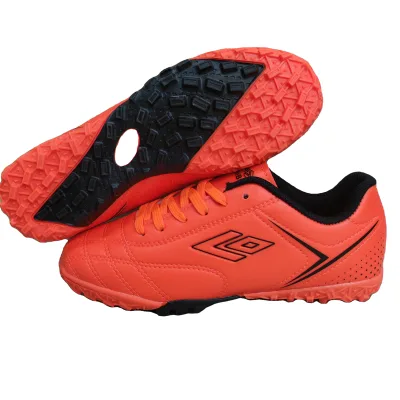


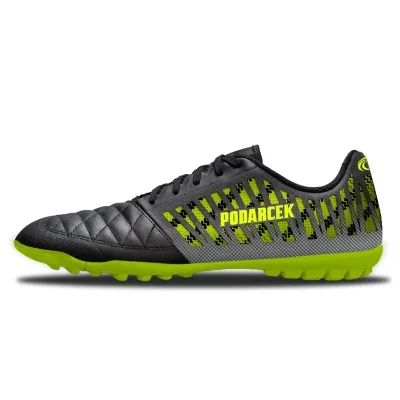

Comprehensive Sourcing Guide
Men Durable PU Soccer Boots Sourcing Guide
Sourcing men’s durable PU soccer boots requires a careful balance between material performance, structural integrity, and commercial viability. Polyurethane (PU) has emerged as a preferred upper material for many football footwear applications due to its ability to mimic the softness and touch of genuine leather while offering superior water resistance and easier maintenance. For buyers targeting the adult male demographic, the focus must remain on boots that provide consistent traction, ankle support, and long-term wear resistance under rigorous playing conditions. The following guide outlines the essential verification steps, technical considerations, and commercial terms necessary to secure a reliable supply chain for these specific athletic footwear products.
The procurement landscape for soccer boots is characterized by significant variability in manufacturing origins, model specifications, and customization capabilities. Buyers must navigate a market where products are often listed with overlapping attributes, such as varying upper materials, lining types, and sole constructions. Understanding the distinction between different PU grades and their integration with other components like EVA insoles and rubber outsoles is critical. Furthermore, recognizing the role of OEM/ODM services allows brands to tailor products to specific market demands, ensuring that the final footwear aligns with both performance expectations and aesthetic requirements.
Product Scope and Observed Listing Signals
The current market for men’s soccer boots includes a diverse range of models designed for various playing styles and environmental conditions. Observed listings indicate a price range of $5.5 to $50 USD, reflecting differences in material quality, brand positioning, and order volume. Minimum Order Quantities (MOQs) vary widely from 1 to 1,200 units, catering to both small-scale retailers and large distributors. Products are frequently described with attributes such as "waterproof," "breathable," and "anti-slip blades," which suggest a focus on all-weather performance and enhanced traction on natural or artificial turf. Buyers should interpret these claims as observed product features rather than guaranteed universal specifications for every SKU.
Geographic origins play a significant role in the sourcing strategy, with many suppliers indicating production in Fujian and Guangzhou, China. These regions are known for their established footwear manufacturing ecosystems, offering access to skilled labor and specialized materials. Listings often highlight customization options, including logo placement, color variations, and packaging preferences, which are essential for private label brands. The presence of models like FB-11144 and cxb-25 illustrates the variety of design iterations available, allowing buyers to select products that best fit their target audience’s preferences for style and functionality.
Technical Specifications to Verify
Verifying the technical composition of soccer boots is paramount to ensuring durability and performance. The upper material is a critical determinant of boot quality, with PU and genuine leather being common choices. PU uppers, particularly those utilizing Flyknit technology, offer a lightweight and breathable alternative to traditional leather, while also providing enhanced water resistance. Buyers must confirm the specific type of PU used, as variations in thickness and coating can significantly impact the boot’s longevity and comfort. Additionally, the lining material, often cited as cotton fabric or mesh, affects moisture management and internal comfort, making it a key specification to validate during the sampling phase.
The sole construction and insole materials are equally important for player safety and performance. Outsoles made from rubber with anti-slip blade designs provide the necessary traction for football activities, while EVA insoles contribute to cushioning and shock absorption. Buyers should verify the compatibility of these components, ensuring that the outsole pattern matches the intended playing surface, whether natural grass or artificial turf. Specifications such as size ranges (e.g., EUR 39-44 / USA 5-11) and package dimensions (e.g., 35x15x10 cm) must also be confirmed to align with inventory management and shipping logistics.
Compliance and Safety Documentation
While specific certification statuses are not universally disclosed in all listings, buyers must ensure that their suppliers adhere to relevant international safety and quality standards for footwear. This includes verifying that materials used in the upper, lining, and outsole are free from harmful substances and comply with environmental regulations in the target market. Documentation such as material safety data sheets (MSDS) and test reports for durability, abrasion resistance, and colorfastness should be requested to substantiate product claims. Buyers should also confirm that the manufacturing processes meet labor and ethical standards, particularly when sourcing from regions with large-scale production facilities.
Packaging and labeling requirements are another critical aspect of compliance. Products are often shipped in original boxes, polybags, or customized packaging, which must meet the labeling regulations of the destination country. This includes accurate size labeling, material composition tags, and care instructions. Buyers should work with suppliers to ensure that all packaging elements are correctly formatted and that the gross weight and dimensions of each package are accurately declared to avoid customs delays or additional fees.
Cost Drivers and Commercial Terms
The cost of men’s durable PU soccer boots is influenced by several factors, including material selection, order volume, and customization requirements. Higher-quality PU and genuine leather uppers, along with advanced features like waterproofing and breathable linings, typically command higher prices. MOQs play a significant role in pricing, with larger orders often benefiting from economies of scale. Buyers should negotiate terms that reflect their volume commitments and seek clarity on any additional costs associated with custom logos, colors, or packaging.
Payment and shipping terms are essential components of the commercial agreement. Common payment methods include TT, Western Union, and PayPal, each with its own implications for security and processing time. Shipping options such as DHL, EMS, UPS, and FedEx offer varying levels of speed and cost, allowing buyers to choose the most suitable logistics partner for their needs. Delivery times, often cited as 30-35 days, should be factored into inventory planning to ensure timely stock availability. Buyers should also clarify any potential delays due to peak seasons or supply chain disruptions.
Supplier Qualification and Quality Control
Selecting a reliable supplier involves thorough due diligence to assess their manufacturing capabilities and quality control processes. Buyers should verify the supplier’s production capacity, lead times, and history of fulfilling orders similar to their requirements. Requesting samples is a crucial step to evaluate the actual quality of the boots, including the feel of the PU upper, the comfort of the lining, and the durability of the outsole. Suppliers that offer OEM/ODM services should be evaluated on their ability to meet specific design and branding requirements while maintaining consistent quality.
Quality control measures should be implemented throughout the production process, from raw material inspection to final product testing. Buyers should establish clear quality standards and communicate them effectively to their suppliers. Regular audits or third-party inspections can help ensure that production adheres to these standards. Additionally, establishing a clear process for handling defects or discrepancies is essential to mitigate risks and maintain customer satisfaction.
Long-Term Procurement Checks
Building a sustainable supply chain for soccer boots requires ongoing monitoring and relationship management. Buyers should regularly review supplier performance metrics, including on-time delivery rates, product quality consistency, and responsiveness to issues. Maintaining open communication channels with suppliers can help address potential problems proactively and foster a collaborative partnership. As market trends and consumer preferences evolve, buyers should work with suppliers to innovate and adapt their product offerings, ensuring they remain competitive in the dynamic football footwear market.
Continuous improvement in procurement practices is also vital. Buyers should stay informed about industry developments, such as new materials or manufacturing technologies, that could enhance product performance or reduce costs. Regularly updating supplier qualification criteria and quality control protocols ensures that the supply chain remains robust and resilient. By focusing on long-term relationships and strategic alignment, buyers can secure a reliable source of high-quality men’s durable PU soccer boots that meet their business objectives and customer expectations.
FAQs
What materials are used in these football shoes?
The upper material is constructed from PU and Flyknit, while the lining utilizes cotton fabric for comfort. The insole is made of EVA for cushioning, and the outsole features rubber with anti-slip blades. Some variants may use genuine leather, but the primary construction focuses on durable PU and breathable mesh components for performance.
Can I customize the logo and packaging for these boots?
Yes, OEM and ODM services are accepted for both logo and packaging. You can request custom branding on the shoes, and the packing options include box-packed, polybag-packed, or customized packaging solutions. This allows you to tailor the product presentation to your specific brand requirements and market needs effectively.
What is the delivery time for these soccer cleats?
The standard delivery time is 30-35 days from order confirmation. This lead time applies to the manufacturing and preparation of the goods. Buyers should account for this duration when planning inventory, as it ensures the production of high-quality footwear with the specified materials and customization options before shipping.
Are these football shoes waterproof and breathable?
Yes, the product features are listed as waterproof, breathable, resilient, and anti-microbial. The design includes anti-slip blades for traction and is suitable for autumn seasons. These attributes ensure that the footwear provides protection against moisture while maintaining ventilation, making them practical for various playing conditions and environments.
What are the available sizes and gender options?
The shoes are available in men's and unisex categories, with sizes ranging from EUR 39-44 or USA 5-11. The product is designed for adults and features an ankle zipper closure. Buyers can select from various colors as requested, ensuring a fit and style that matches their specific team or personal preferences.
Where are these soccer boots manufactured?
The products originate from Fujian and Guangzhou, China. This location indicates the manufacturing base for these football shoes. Buyers sourcing from this region can expect established supply chains and production capabilities. The origin is a key factor for logistics planning and understanding the manufacturing context of the PU and leather materials used.